
Help after a collision
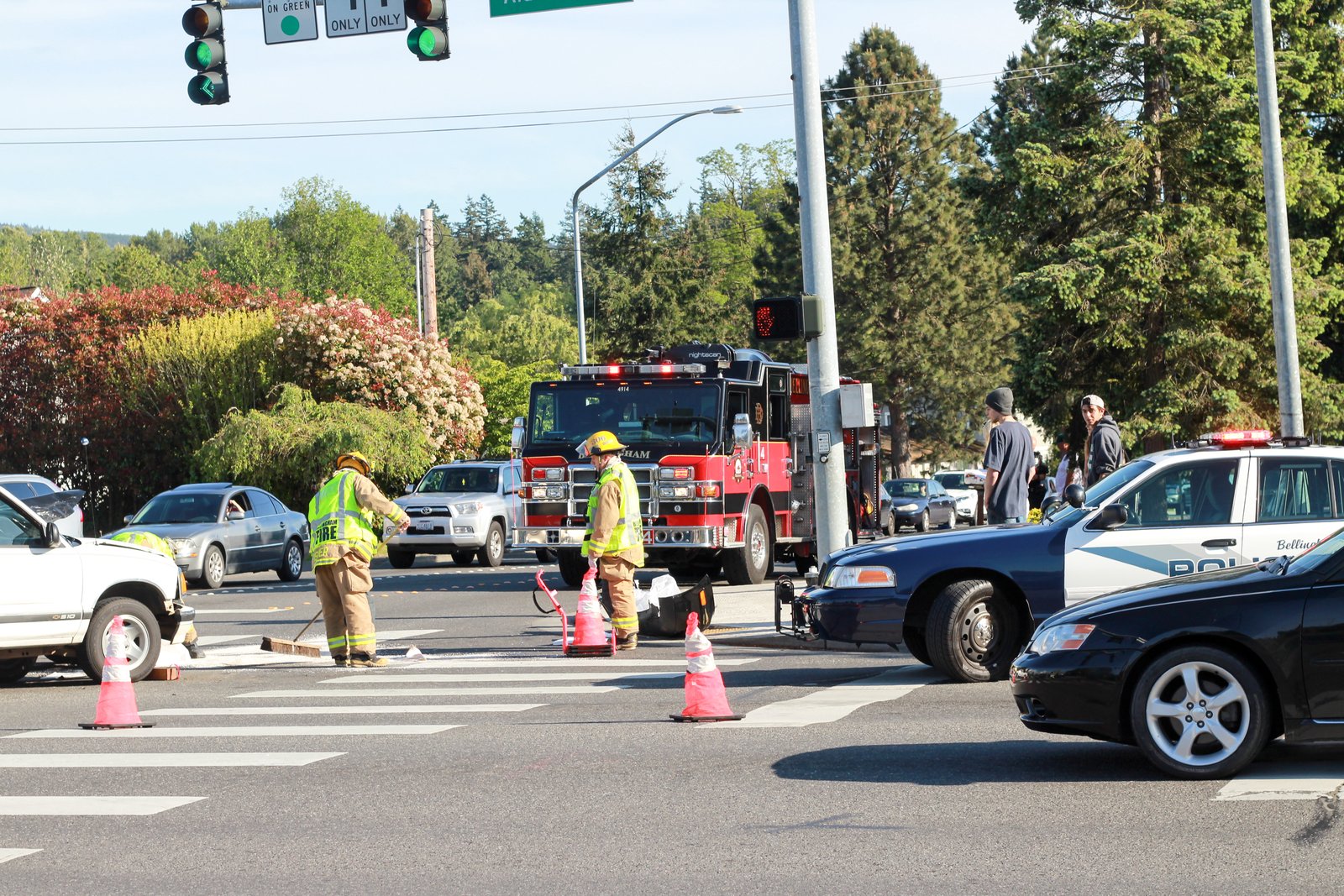
Even a crash that first seems straightforward can leave questions about treatment, missed work, vehicle damage, and insurance. Arrow Law Group handles rear-end crashes, hit-and-runs, side-impact collisions, and other car accident claims.
After an accident, you may be juggling treatment, missed work, vehicle repairs and calls from insurers. Our team can take on the claim work: gathering records, identifying available coverage, communicating with insurers and explaining each decision in plain language. We keep you informed so you can focus on your recovery and your family.
We pursue a fair result that reflects the full impact of your injuries. When negotiations do not produce a fair resolution, Arrow Law Group is prepared to fight for you in court and work to maximize the recovery available under the facts and law. Every case is different, and no particular result can be guaranteed.
What to do after a Washington car accident

- Get safe and call for help. Stop, check for injuries, and call 911 for emergency assistance. Washington law requires drivers in an injury collision to stop, remain at the scene, exchange identifying and insurance information, and provide reasonable assistance to injured people. When a collision involves property damage only, move a drivable vehicle off the roadway to a suitable location as soon as possible. RCW 46.52.020
- Document the scene when it is safe. Photograph vehicles, visible damage, road conditions and the location. Get witness names and contact information. Exchange names, addresses, insurance company and policy numbers, license plate numbers and driver's license information. Do not delay medical care to collect evidence. RCW 46.52.020
- Address injuries and preserve records. Seek appropriate medical care and tell the treating professional about symptoms. Keep bills, prescriptions, discharge papers, photos of injuries, repair estimates, transportation costs, correspondence with insurers and a record of work missed. Notify your insurer promptly and ask what coverages apply.
- Check whether a collision report is required. When a crash causes injury or death, or apparent property damage of at least $1,000 to any one person's property, a driver generally must file a report within four days if an investigating officer is not filing one. The Washington State Patrol offers an online collision report. Confirm with the officer whether they will submit the report. RCW 46.52.030; WAC 446-85-010
- Review a proposed settlement before signing. A release can affect your ability to seek additional payment. Identify outstanding medical bills, insurer reimbursement claims and the full scope of your injuries before resolving a claim. Many Washington injury claims are subject to a three-year filing period, but exceptions and different deadlines can apply. RCW 4.16.080
Personal injury protection (PIP)
PIP is optional Washington auto coverage that may pay medical expenses, lost wages, replacement services and funeral costs after a crash, regardless of fault, subject to policy terms and limits. Insurers must offer PIP; a policyholder who declines it must reject it in writing. The basic medical benefit is up to $10,000 per injured person for expenses incurred within three years, with higher limits available. Check your declarations page and ask your insurer how to open a PIP claim. Washington Office of the Insurance Commissioner: PIP
What is subrogation?
If your insurer pays a covered expense, it may seek repayment from the party responsible for the loss or that party's insurer. That process is called subrogation. It can affect how a settlement is distributed, so tell your insurer before settling with the other party and ask for a written accounting of any claimed reimbursement. If your insurer pursues property damage reimbursement, it must include your deductible in its demand; partial fault can affect the amount recovered. The details depend on the coverage, policy and claim. Washington Office of the Insurance Commissioner: claims and subrogation
What should you keep?
Keep the collision report, photos, insurance correspondence, witness details, treatment records, expenses and missed-work documentation where available. You do not need a complete file before contacting an attorney.
Fees and evaluation
The firm offers free case evaluations and typically handles accident claims on a contingency fee basis. Any representation, fee, or cost arrangement is set out in a written agreement for your particular matter.